
Uneven terrain in residential developments is caused by a variety of reasons. If left untreated, it can do more than compromise the aesthetic appeal and structural integrity of your home. This makes your property susceptible to natural calamities such as landslides, floods, and other foundation issues. However, if you invest in retaining walls for challenging terrain, it can be a versatile solution to transform your living space.
Through innovative retaining wall designs, you can create a durable and adaptable structure that can withstand various residential terrain challenges. This will require the integration of advanced engineering techniques to devise an appropriate design, but if the structure is built right, you should have no problems mitigating challenges posed by difficult terrain for a long time.
In this blog, we’ll dig deeper into the role of retaining walls in residential landscaping, the intricacies to take into consideration during the design phase and debunk some of the frequently asked questions most people have when it comes to investing in this type of structure.
The Role of Retaining Walls in Residential Landscaping
Whether the project deals with steep hillsides or irregular ground, retaining walls offer practical solutions for enhancing the sustainability of different projects. These structures serve multiple roles that enhance both the functionality and aesthetic appeal of your outdoor space that are contingent on structural retaining wall considerations, retaining wall material options, and many more.
Read on below to discover the role sustainable retaining wall designs have in residential areas with challenging terrain.
Erosion control
One of the primary functions of retaining walls is to control soil erosion. In residential areas with significant slopes, water runoff can cause the soil to wash away, leading to unstable ground and potential damage to properties. Erosion control retaining walls act as barriers that hold back soil, preventing it from eroding while also diverting the flow of water to prevent floods during the event of heavy rains.
By doing so, they help maintain the integrity of the landscape, protecting gardens, lawns, and home foundations from the adverse effects of soil erosion.
Make certain areas functional
Living in an area with sloped terrain can present a challenge for creating gardens, lawns, or a backyard which often results in an inoperable portion of your property. Retaining walls are functional landscape solutions that allow you to maximise your property by transforming these slopes into functional, flat areas that can be used for various purposes and increase your property’s overall value by making the land more practical and versatile.
Structural support and stability
Retaining walls provide soil retention strategies that do more than control erosion. Without retaining walls, steep slopes can collapse or slide, posing risks to property and safety. By reinforcing these slopes with a sturdy structure that can last anywhere between 25 to 100 years, the wall will resist the lateral pressure exerted by soil and prevent uneven settlement of the ground behind them.
The stability of retaining walls is particularly important in regions prone to heavy rainfall or seismic activity, where soil movement is a common concern.
Enhance aesthetic appeal
Beyond their functional roles, building retaining walls for challenging terrain contributes significantly to the aesthetic appeal of a property. Different aesthetic retaining wall ideas stem from the fact that they can be constructed from a variety of materials, including natural stone, brick, concrete blocks, or precast panels, giving you the versatility to choose materials that complement your home’s architecture and overall landscape design.
Furthermore, retaining walls can also be designed with curves, angles, and varying heights to create a more dynamic and engaging outdoor space. To help you come up with an appropriate design, contact retaining wall specialists such as Red Ochre for your next project anywhere in Adelaide.
Environmental and sustainable benefits
Residential development retaining walls can be beneficial to the environment for several reasons. Since these structures are permeable, they allow water to flow slowly instead of rushing down the slope. If you’re interested in making a retaining wall by yourself, one of the basic DIY retaining wall tips if you’re on a low budget is to use recycled materials to build your wall. And, depending on the type of material you use for your wall, these structures can even provide natural vegetation, leading to improved air quality and providing habitat for wildlife.
Overall, retaining walls offer numerous benefits that enhance the functionality, stability, and aesthetic appeal of outdoor spaces. By controlling erosion, creating usable areas on sloped terrain, and providing essential structural support, retaining walls give you the chance to make the most of your properties.
Terrain Challenges of Installing a Retaining Wall in Adelaide Residential Areas
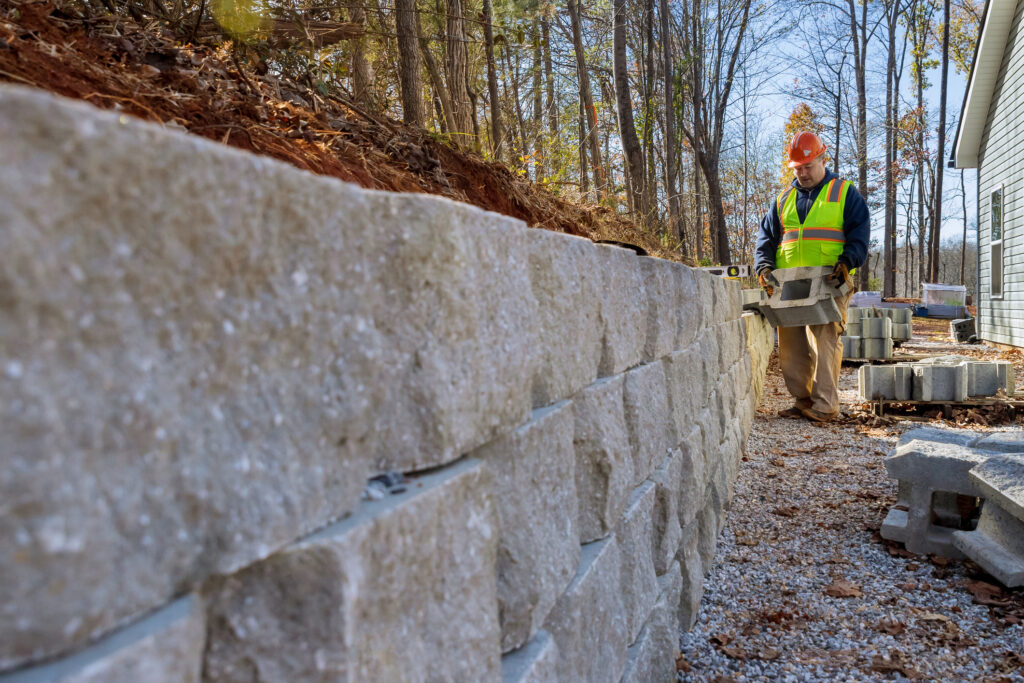
Installing retaining walls in residential areas of Adelaide presents a variety of challenges that require careful planning and execution. Understanding the potential pitfalls that can happen in Adelaide landscape design is vital to ensure the structure is both functional and aesthetically pleasing.
Soil conditions
Whenever retaining walls for challenging terrain are built, the most common problem that will arise is related to the soil conditions of the area. The type of soil, its stability, drainage properties, and load-bearing capacity all play a role that will influence the design and construction of custom retaining wall projects.
If you’re in an area with poor soil conditions, it can complicate the installation process which will lead to additional soil stabilisation techniques depending on the assessment of the geotechnical engineer.
Water flow
While retaining walls are permeable structures, they do require an effective drainage system to improve their longevity. Poor drainage can lead to water accumulation behind the wall, increasing hydrostatic pressure which leads to failure. In retaining wall water management, an adequate drainage system should include weeping holes, drainage pipes, and gravel backfill.
An alternative solution you can consider if you have a bigger area is to invest in terraced landscape solutions. One example of these structures is tiered garden retaining walls. These structures are a series of flat, usable levels on a sloping piece of land, allowing the water to infiltrate the soil at each level more gradually instead of a single area.
Permits and regulatory compliance
In Adelaide, installing retaining walls in residential areas often requires obtaining permits and complying with local building codes and regulations. One of the considerations you need to consider is the height of the wall. In most cases, retaining walls below 1 metre in height typically don’t require formal council approval.
If the wall meets the height requirements, also be wary of the materials used and the wall’s proximity to property lines or public spaces. Acquiring the necessary permits can be confusing and time-consuming, but is a vital process you need to comply with to avoid legal issues and potential fines in the future. To be safe, it’s best that you let qualified professionals with years of experience solve this challenge.
Space constraints
Landscape transformation ideas can be hard to think of, especially when an area has limited access and narrow property lines. Navigating within these tight spaces will require precise planning and innovative solutions to ensure that the wall design fits perfectly within the existing landscape while meeting functional requirements and budget.
A solution you’ll often see for these types of issues is sloped backyard retaining walls. Since this structure doesn’t require a large flat area, it gives designers more room to create a sustainable wall by maximising the vertical space of the property without sacrificing horizontal space.
Construction techniques and materials
When you’re budgeting for retaining walls, choosing the right construction techniques and materials is critical for the success of a retaining wall project. We understand that managing the costs associated with retaining wall installation can be challenging, particularly in residential projects.
Regardless of the material chosen, it will have an effect on the wall’s durability, appearance, and cost. What’s more, each material will also present its own set of unique challenges. For example, natural stone may require skilled labour for proper placement, while other materials may utilise advanced construction techniques requiring heavy machinery and uncommon equipment.
Installing retaining walls in residential areas involves navigating a range of challenges, from technical and environmental considerations to regulatory and aesthetic concerns. Addressing these challenges requires an approach that includes thorough site analysis, effective drainage design, regulatory compliance, and making use of various retaining wall maintenance tips.
Frequently Asked Questions about Retaining Walls for Residential Developments
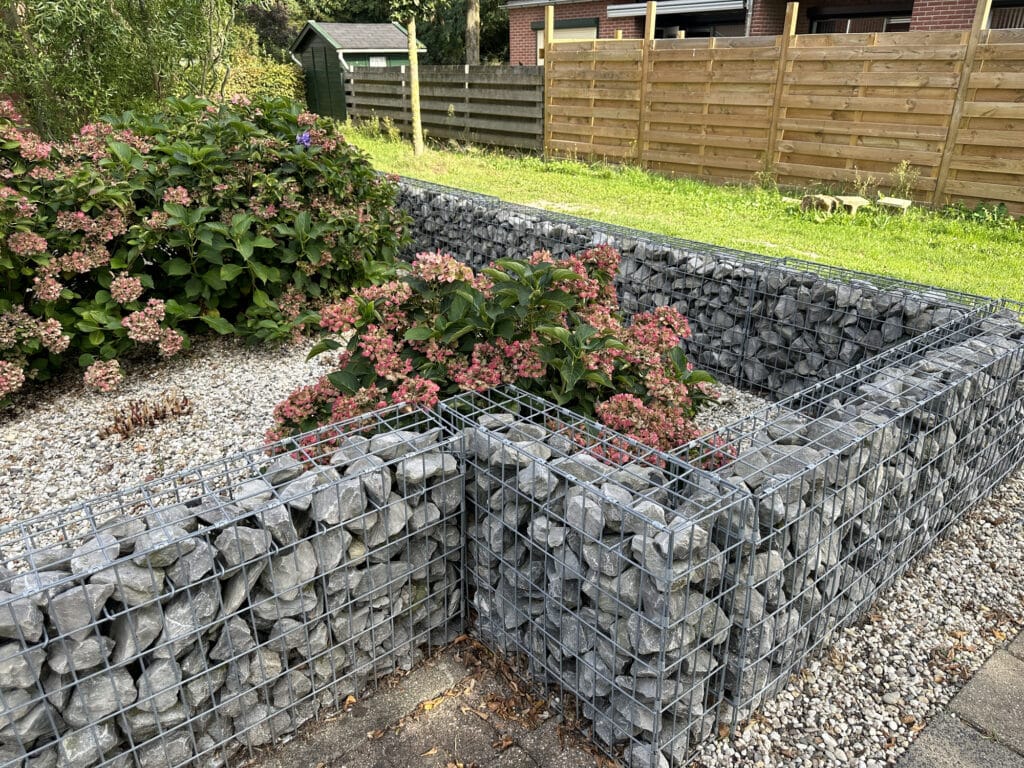
As one of the primary options to combat erosion and limit flooding, innovative approaches in the construction of retaining walls continue to emerge, and Australia is set to reap the benefits. Adelaide retaining wall case studies are at the forefront of these innovations as one of Adelaide’s inner suburbs recently invested in a new form of precast panels to reduce the risk of accidents with level crossings.
Nonetheless, it’s safe to say retaining walls have caught the attention of different individuals. If you’re on the fence about investing in a retaining wall, we’ve prepared some of the most common questions people want answers to:
What materials are best for constructing a retaining wall?
The choice of materials for a retaining wall depends on several factors, including the wall’s height, the soil conditions, the desired aesthetic, and the budget.
Common materials include:
- Concrete block
- Natural stone:
- Brick
- Gabion baskets:
- Precast panels
* After a thorough site assessment, a geotechnical engineer will work closely with you to find the appropriate solution that meets your needs and budget.
How long does it take to install a retaining wall for residential purposes?
The answer to this question is contingent on multiple factors such as the soil condition, slope of your area, and material used for the retaining wall construction.
Do I need a permit to build a retaining wall on my property?
The requirement for a permit depends on your location, local building codes, and regulations. Factors that can influence permit requirements include but are not limited to:
- Wall height
- Proximity to property lines
- Soil conditions
- Load conditions
* Always consult with local authorities to ensure compliance with all relevant regulations and obtain any necessary permits before beginning construction.
How do you prolong the longevity of a retaining wall?
While retaining walls are expected to last years, regular maintenance is vital for the wall’s longevity and safety. Here are a few ways you can maintain a retaining wall’s structural stability:
- Periodic inspection by checking for cracks or signs of erosion.
- Clear the wall of any debris that can trap moisture.
- Ensure proper drainage to prevent water buildup behind the wall.
Final Thoughts
For residential purposes, retaining walls are indispensable structures that aid with terrain management in Adelaide. Understanding the purpose of retaining walls is crucial to not only maximise the usability and value of your properties but also contribute to creating a sustainable solution using different forms of long-lasting retaining walls available in the market.
With a multitude of options in Adelaide alone, a name homeowners and businesses have trusted for years is Red Ochre because of their commitment to enhancing your landscape at a budget-friendly cost.